marital status, n = 5
Consider the following recommendations: Eat your final meal at least 34 hours before bedtime to allow adequate time for digestion Avoid large evening meals , opting instead for smaller, lighter dinners Stay upright for at least 2 hours after eating to facilitate gastric emptying and reduce discomfort Avoid trigger foods that may exacerbate nausea or reflux, particularly in the evening Maintain adequate hydration throughout the day, but reduce fluid intake close to bedtime Sleep hygiene practices remain fundamental for managing sleep disturbances: Maintain a consistent sleep schedule , going to bed and waking at similar times daily Create a relaxing bedtime routine to signal your body that sleep is approaching Ensure your bedroom is cool, dark, and quiet Limit screen time for at least one hour before bed Avoid caffeine after early afternoon and limit alcohol consumption Managing gastrointestinal side effects can significantly improve sleep quality
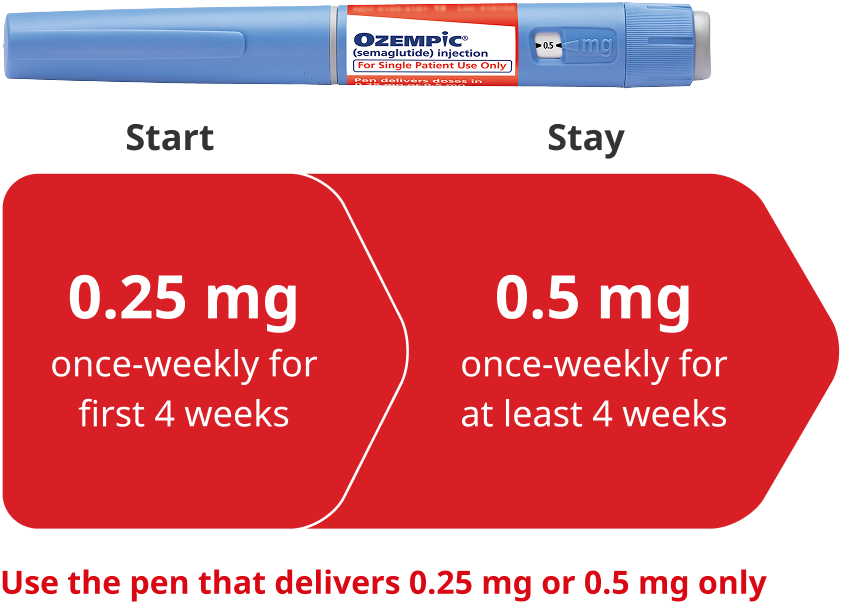
While oral formulations offer the convenience of a pill compared to traditional injections, this shift also raises important compliance considerations
"It's a whole wellness attitude and leaning in," Shridharani said, adding that there's less of a stigma around men receiving surgical cosmetic procedures, in part because of GLP-1 usage
Key Takeaways BPC-157 is a stable synthetic peptide originally studied for gut repair that is now being investigated for soft tissue, tendon, muscle, and wound healing